
Preferred Language Matters
Words shape how we see people. Use people-first language that honors dignity and humanity.

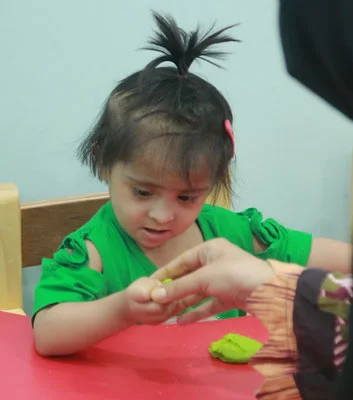



Down syndrome, not “Down’s”
While Down syndrome is listed in many dictionaries with both popular spellings (with or without an apostrophe s), the preferred usage is Down syndrome. This is because an “apostrophe s” connotes ownership or possession. Down syndrome is named for the English physician John Langdon Down, who characterized the condition, but did not have it.

Why It Matters
With early therapies, inclusive education, and community support, individuals with Down syndrome can:
Thanks to advances in healthcare, most people with Down syndrome live into their 40s and beyond.